
Project context
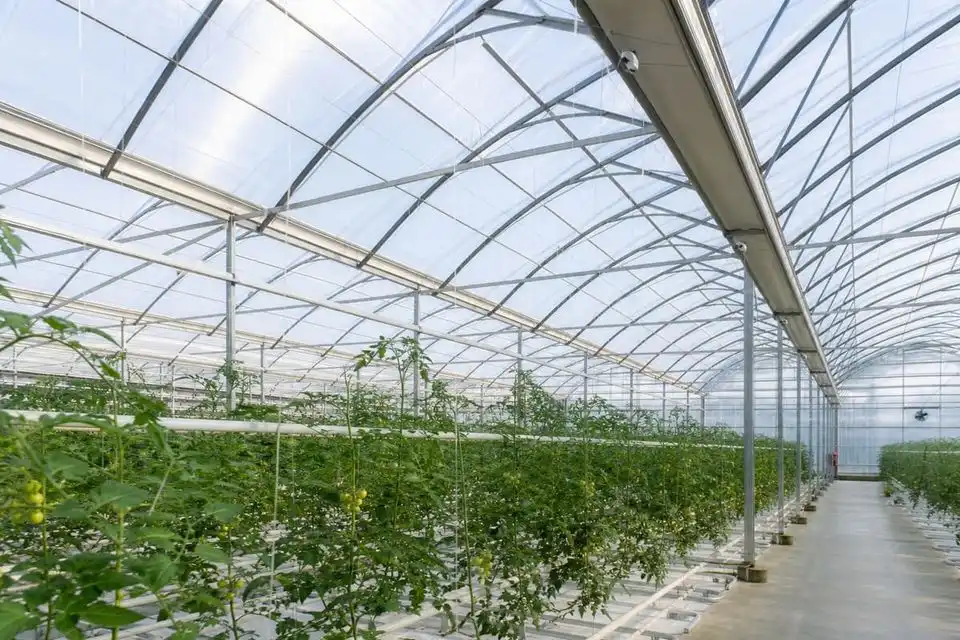
A confidential client brief typically seeks a luminous plant house with visitor comfort and maintainable access for horticulture teams.
botanical garden ETFE project
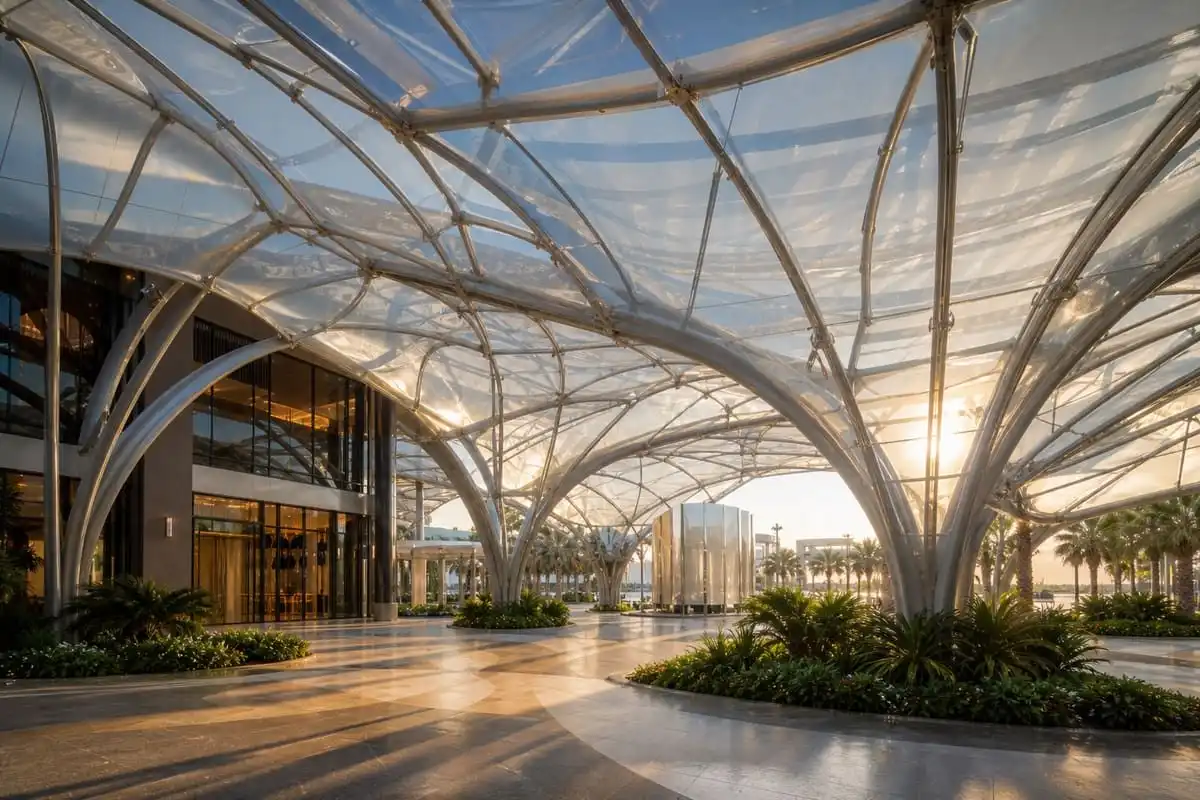
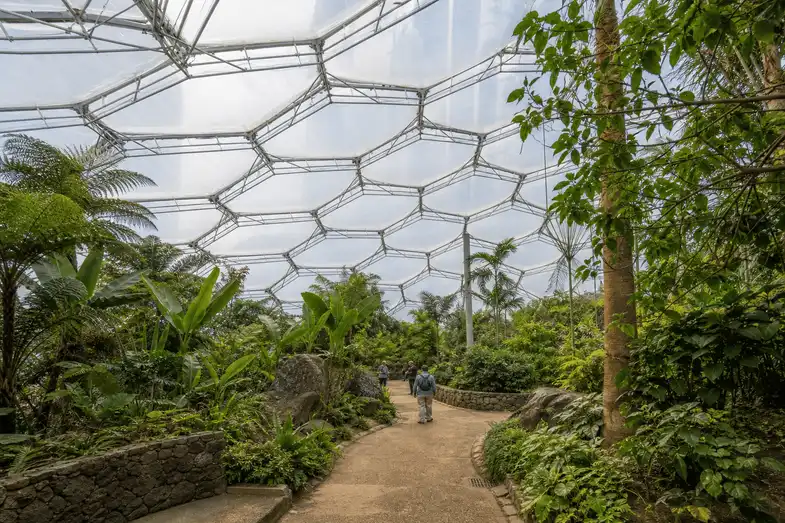
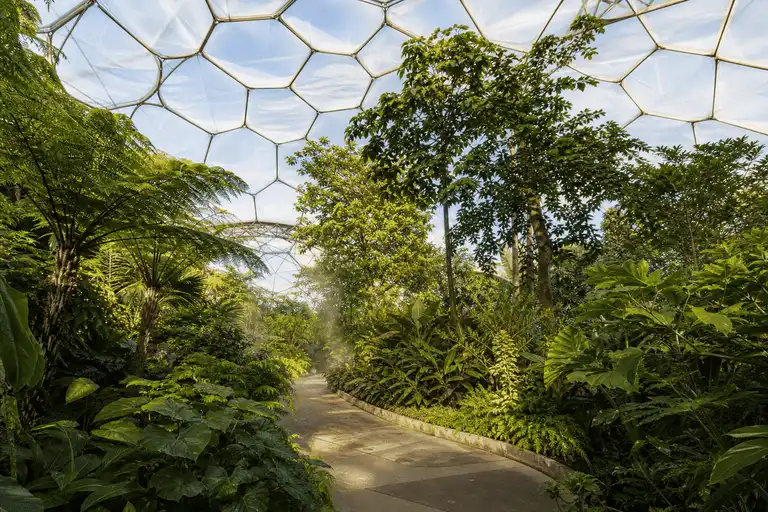
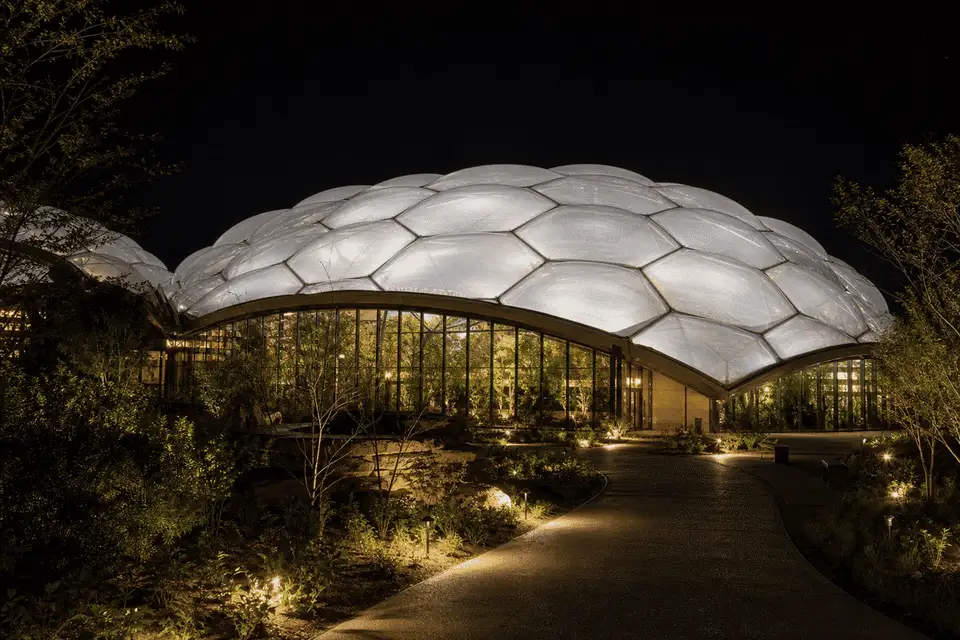
A botanical ETFE concept that shelters plant collections and visitors under soft, sky-like light.
Overview
Botanical gardens often explore ETFE for conservatories where light quality and lightweight structure matter. This brief is illustrative only.
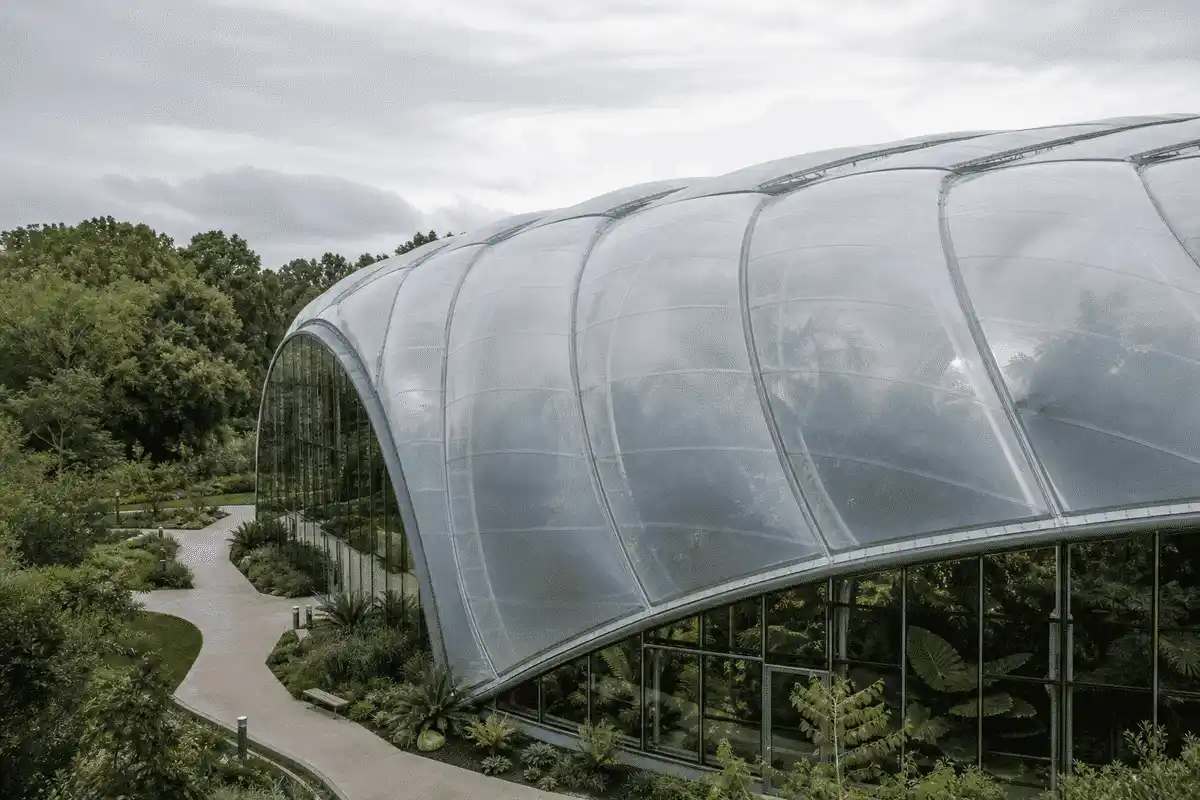
A confidential client brief typically seeks a luminous plant house with visitor comfort and maintainable access for horticulture teams.
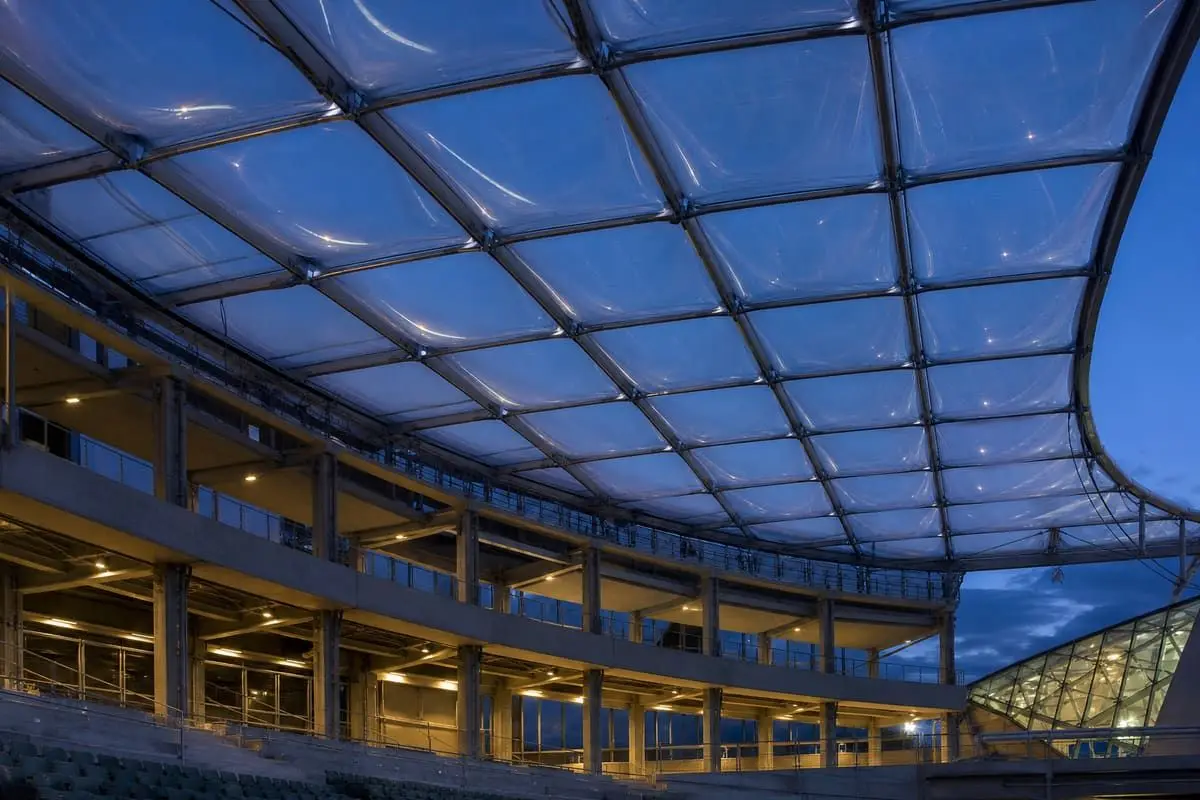
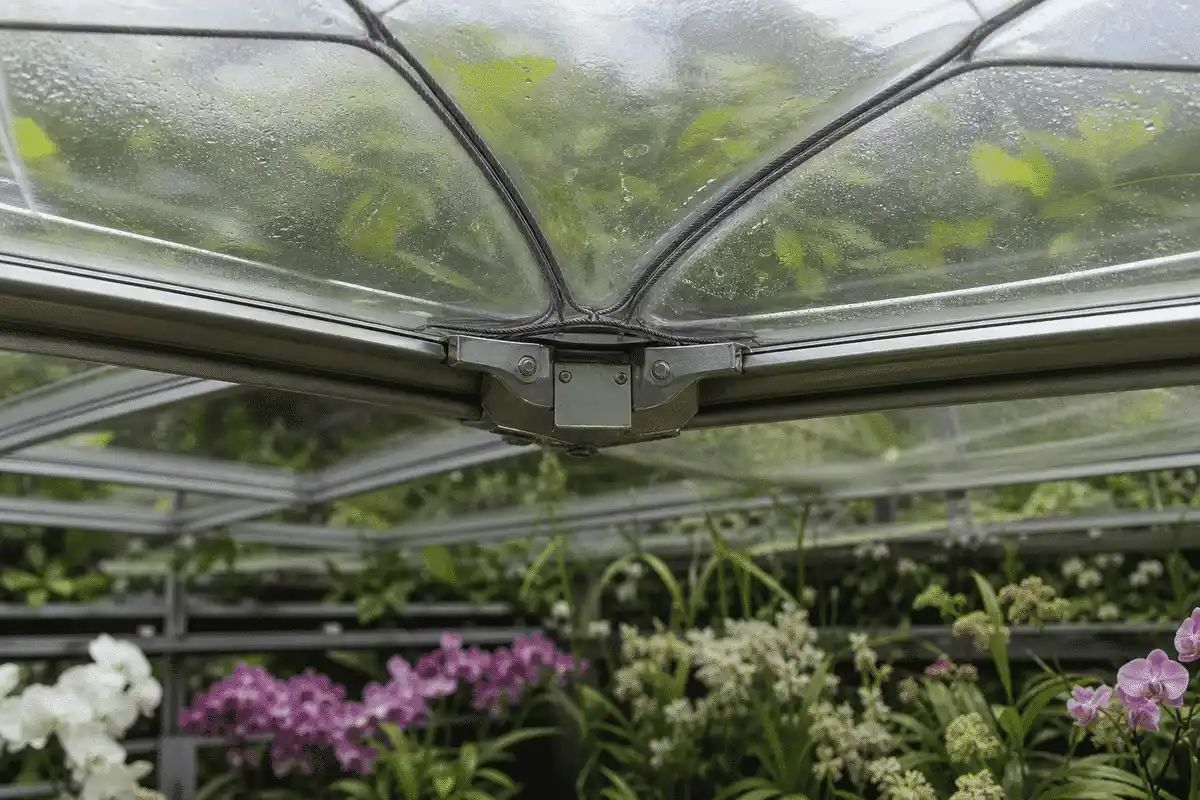
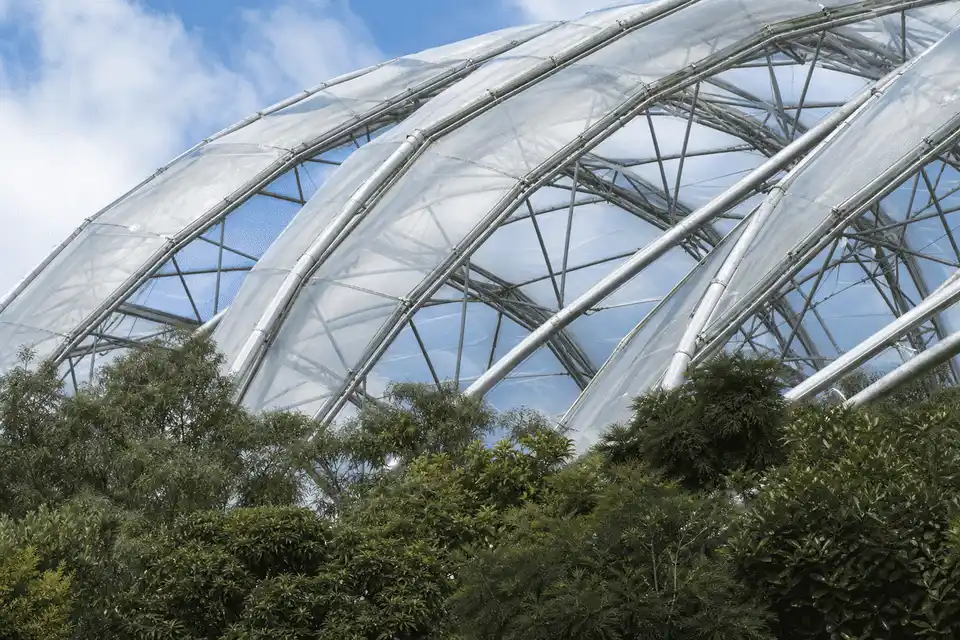
ETFE cushions or single-layer shells create translucent envelopes over plant biomes and visitor routes.
The illustrative outcome is a clearer conservatory envelope narrative—without inventing plant-growth performance claims.
Snapshot
Only publish fields confirmed in the approved project inventory.
| Project | Botanical Garden ETFE Project |
|---|---|
| Location | India / international — site-specific |
| Sector | Landscape & visitor attractions |
| System | ETFE plant-house and visitor canopy system |
| Scope | Illustrative conservatory roof and garden canopy programme |
| Status | Illustrative case-study brief |
| Year | Illustrative |
Brief
Garden envelopes must balance plant light needs, visitor comfort, and horticultural access typical for this sector.
Collections need generous light while visitors need shade and comfort paths.
Vary printing and layering by biome zone in coordination with horticulture advisors.
Plant houses need carefully coordinated climate systems.
Detail ETFE with ventilation, shading, and condensation strategies agreed with specialists.
Outdoor garden paths need shade between conservatory volumes.
Use ETFE canopies along primary visitor routes without heavy opaque structures.
ETFE Systems
Link only to live product pages that apply to this project.
Delivery
Design-to-installation process aligned with AAKS Architecture delivery stages.
Align biome light and visitor comfort priorities with horticulture teams.
Coordinate structure and envelope geometry.
Develop printing, shading, and climate interfaces.
Resolve irrigation, drainage, and maintenance access.
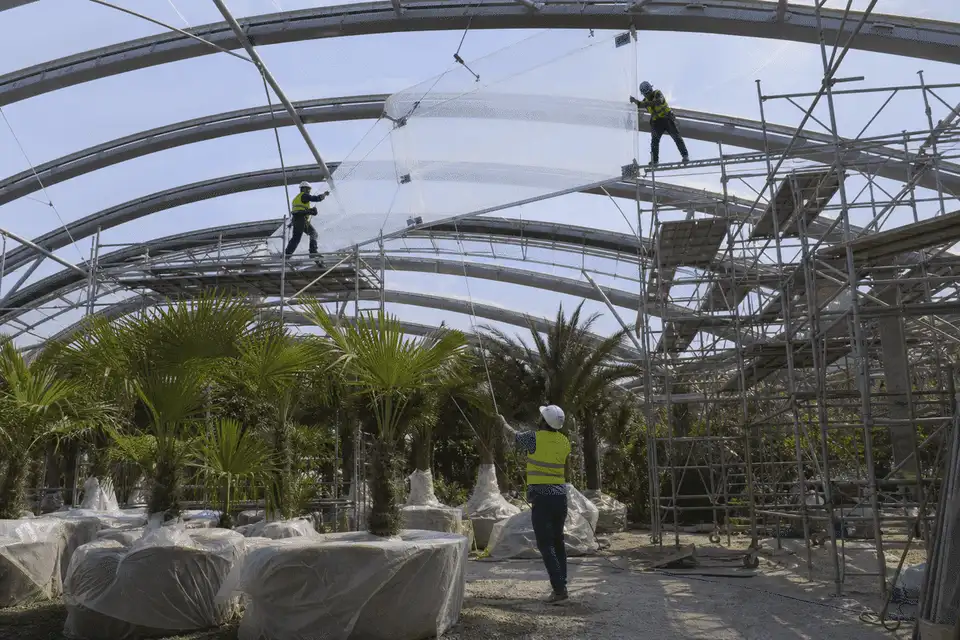
Plan install around living collections where needed.
Provide fabrication packs and facilities guidance.
Engineering
Educational botanical ETFE guidance—not agronomic performance guarantees.
ETFE films are often discussed around roughly 100-300 micrometres per layer as educational guidance.
Cushions can support thermal layering; single-layer shells may suit lighter garden rooms depending on climate strategy.
Translucent envelopes are valued for bright plant displays when coordinated with horticultural advice.
Daylight-led plant houses and lightweight structure can support garden sustainability aims when assessed holistically.
Public attraction fire, structural, and accessibility rules apply—use tested systems and local codes.
Specify films, printing, clamps, climate interfaces, and cleaning access with horticulture operations in mind.
Gallery
Unique visuals for this project only — do not reuse across pages. See knowledge/Global_image.md.
Media
Poster-first thumbnails. Source from knowledge/VIDEOS.md — do not hard-embed players.
Explore
Sectors
Map to the matching sector cluster in knowledge/INTERNAL_LINKING_RULES.md.
Library
More case studies
FAQ
ETFE creates lightweight translucent conservatory roofs and visitor canopies where bright plant displays matter.
Cushions may suit larger climate-controlled volumes; single-layer can suit lighter shells or outdoor canopies.
Horticulture briefing, structural coordination, climate interfaces, detailing, fabrication, and careful installation.
Varies with conservatory size and whether collections are present. Plan site-specifically.
Coordinate cleaning and inspection with horticulture access needs and specialist guidance.
When engineered for local climate, ETFE conservatories are used in many garden settings.
AAKS Architecture works with landscape and building architects on botanical ETFE envelopes.
Share conservatory drawings and biome priorities via contact channels for a scoped discussion.
Conservatories, visitor links, and entrance canopies are common candidates.
Depends on tested assemblies and public-building codes—confirm with specialists, not generic film claims.
Share your brief with AAKS Architecture — we will recommend the right ETFE system and support engineering, supply and installation.