Knowledge Hub

ETFE Insights Engineering Best Practices

Insights — ETFE Engineering, Design & Construction Knowledge

Practical articles and guides for architects, consultants and project teams — membrane technology, delivery process, sustainability and product knowledge from AAKS Architecture.

Featured

Start here for a clear overview of ETFE as an architectural membrane system.

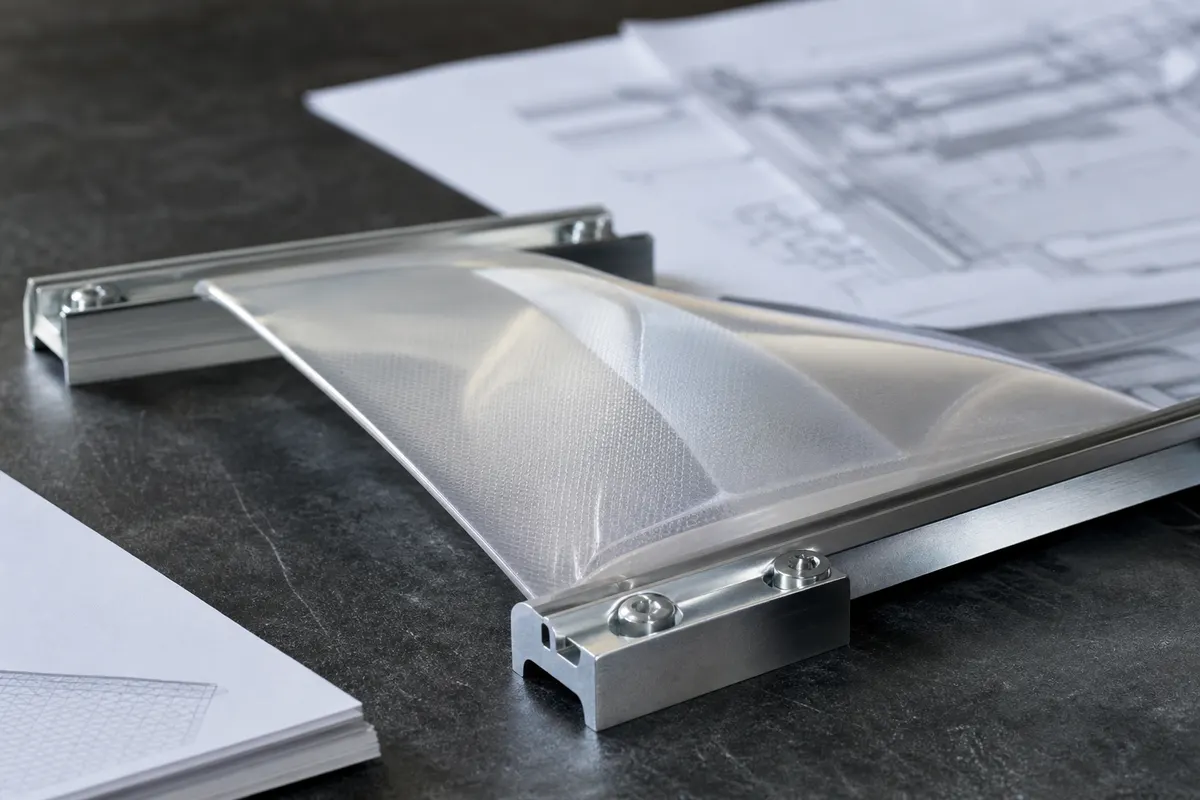
ETFE foil sample and aluminium clamp detail on an engineering desk
Technology Foundations

What is ETFE Film?

Ethylene tetrafluoroethylene is a high-performance fluoropolymer film used for lightweight transparent and translucent roofs, façades, skylights and canopies — engineered as single-layer membranes or multi-layer air cushions.
Why teams specify it

High daylight potential, substantially lower mass than glass-scale roofs, and strong UV/weather resistance when detailed correctly. Confirm project-specific data sheets before certified claims.

Read next

Explore the material introduction and system guides in our Technical Library, then match products and applications to your brief.

Open Technical Library

Technology

ETFE Technology

Core system ideas behind film, cushions and envelope performance.

Film

Single-layer membranes

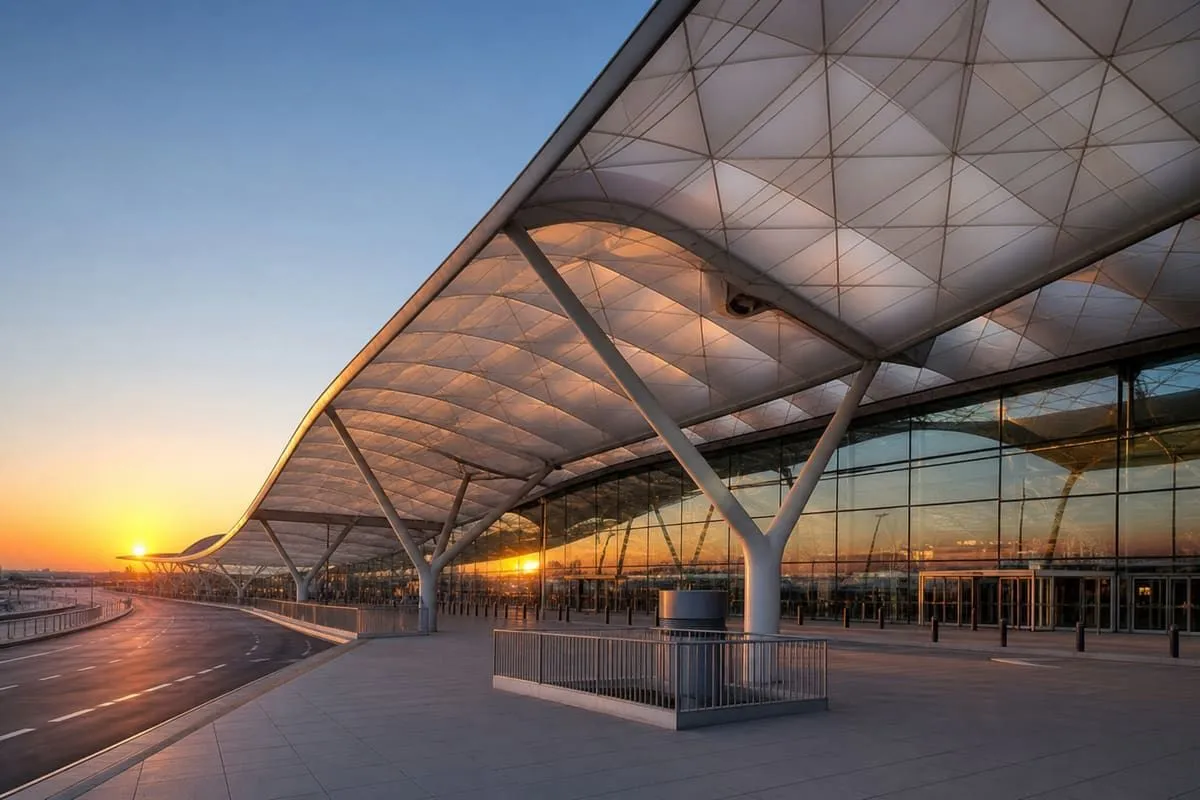
Tensioned foil on grids or cable nets — strong fit for many canopies and lightweight roofs.

Cushions

Multi-layer air cushions

Low-pressure inflated cavities for stiffness and improved thermal behaviour on large roof fields.

Solar

Frit & print control

Printed patterns help manage solar gain while keeping a translucent architectural character.

Structure

Interfaces matter

Clamps, frames, drainage and primary structure coordination decide buildability and weathertightness.

Climate

Engineered for site loads

Wind, rain drainage and snow are design inputs — not afterthoughts — for every AAKS system.

Care

Maintenance mindset

Smooth film sheds dirt with rain; inspection and access strategy still belong in the design brief.

Engineering Guides Process Detailing

Construction Best Practices

Successful ETFE programmes start early: brief, span, climate and performance goals shape layer strategy before fabrication begins. Prefabrication often shortens site duration versus complex glazing — weather windows and structure readiness still govern programme.

Quality checkpoints include structure acceptance, material verification, sequence compliance, seam/clamp inspection, pressure or tension checks, and clear handover documentation.

How AAKS Delivers Request Guidance

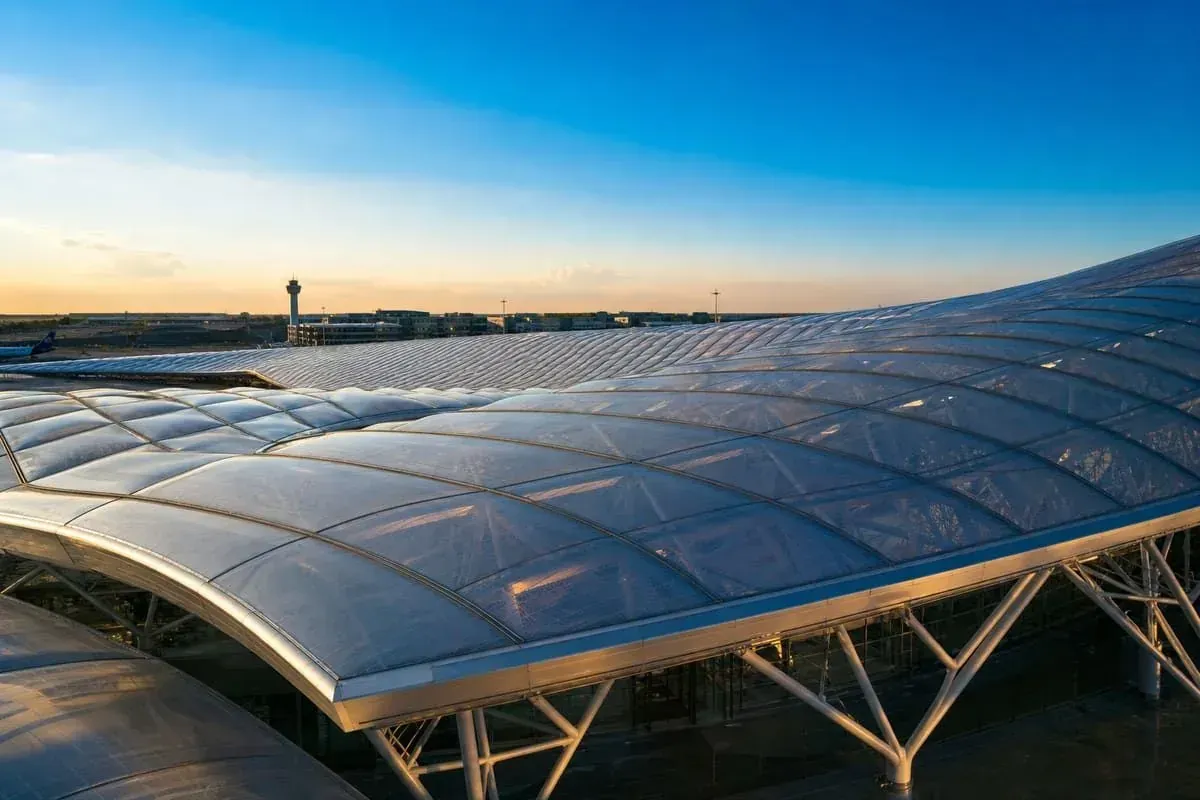
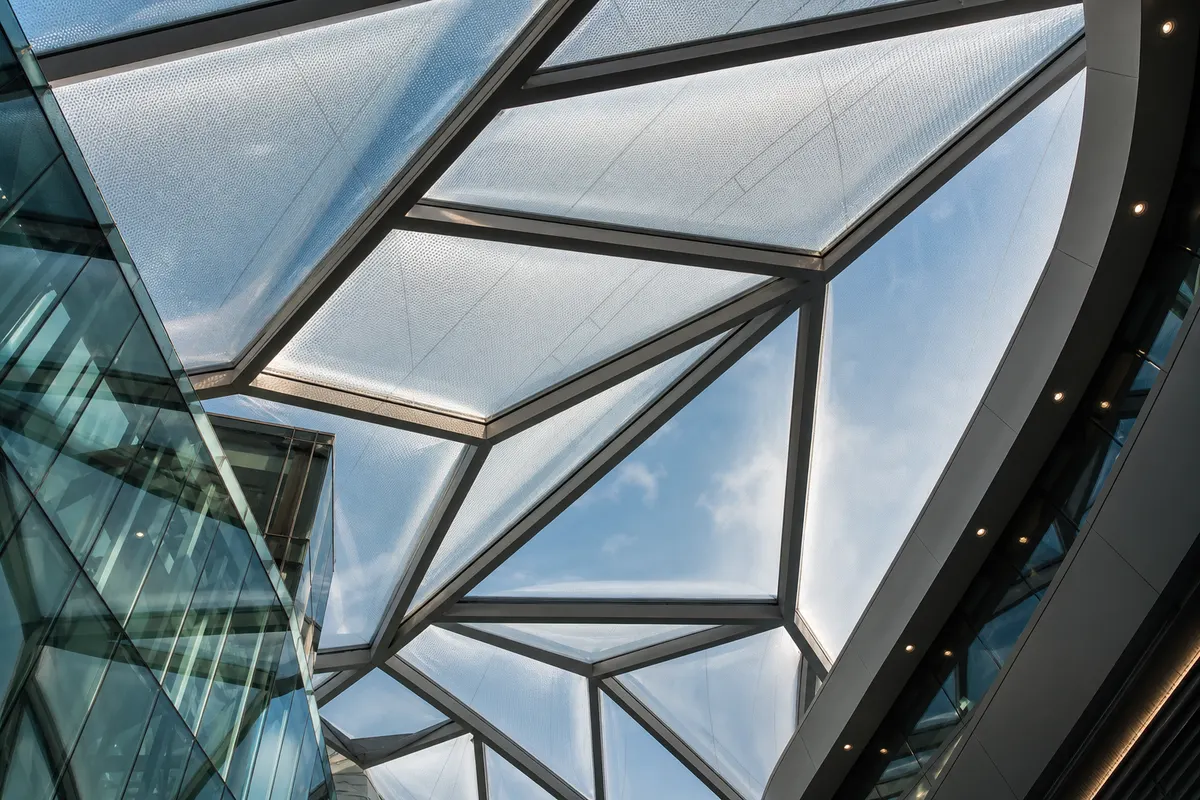
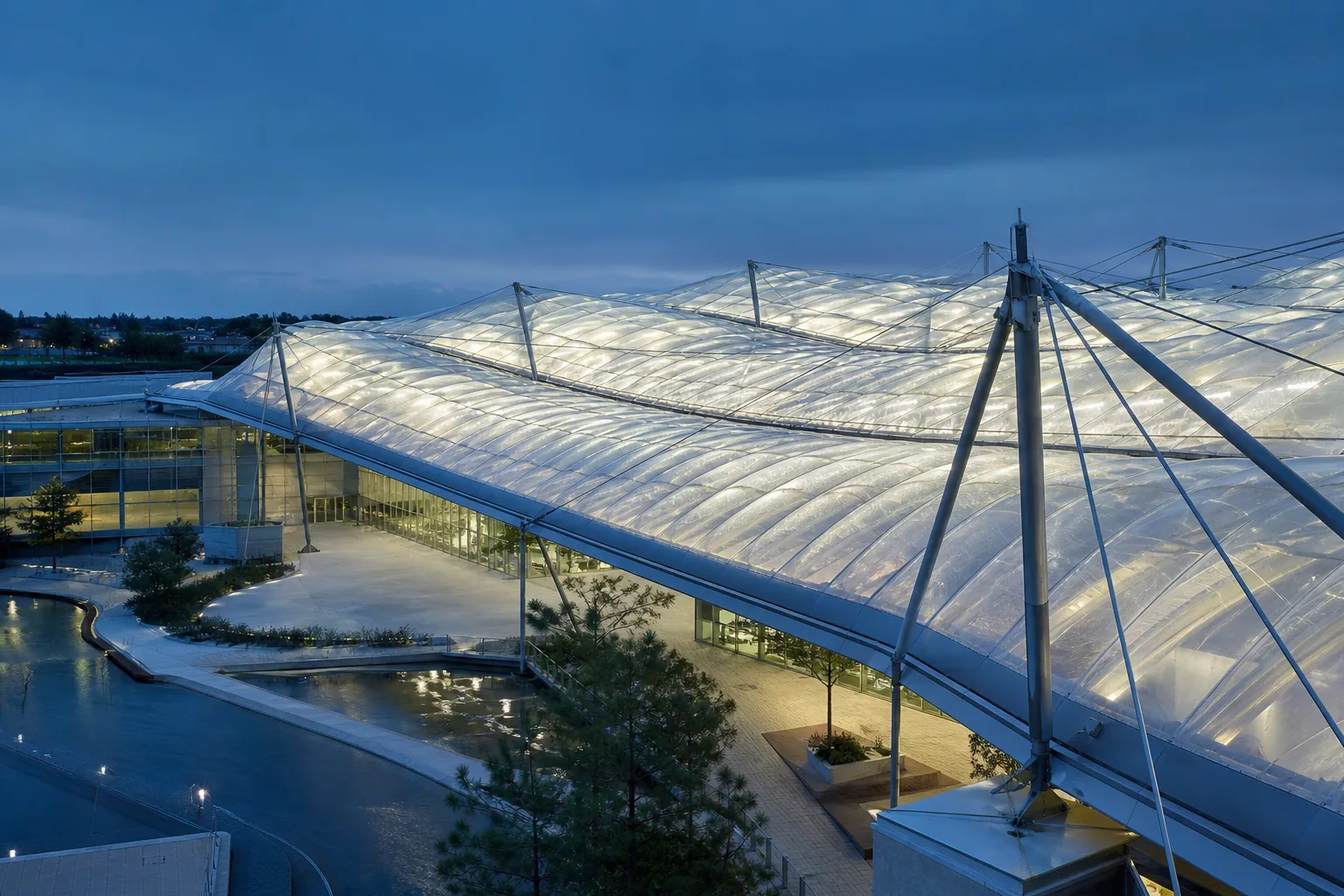
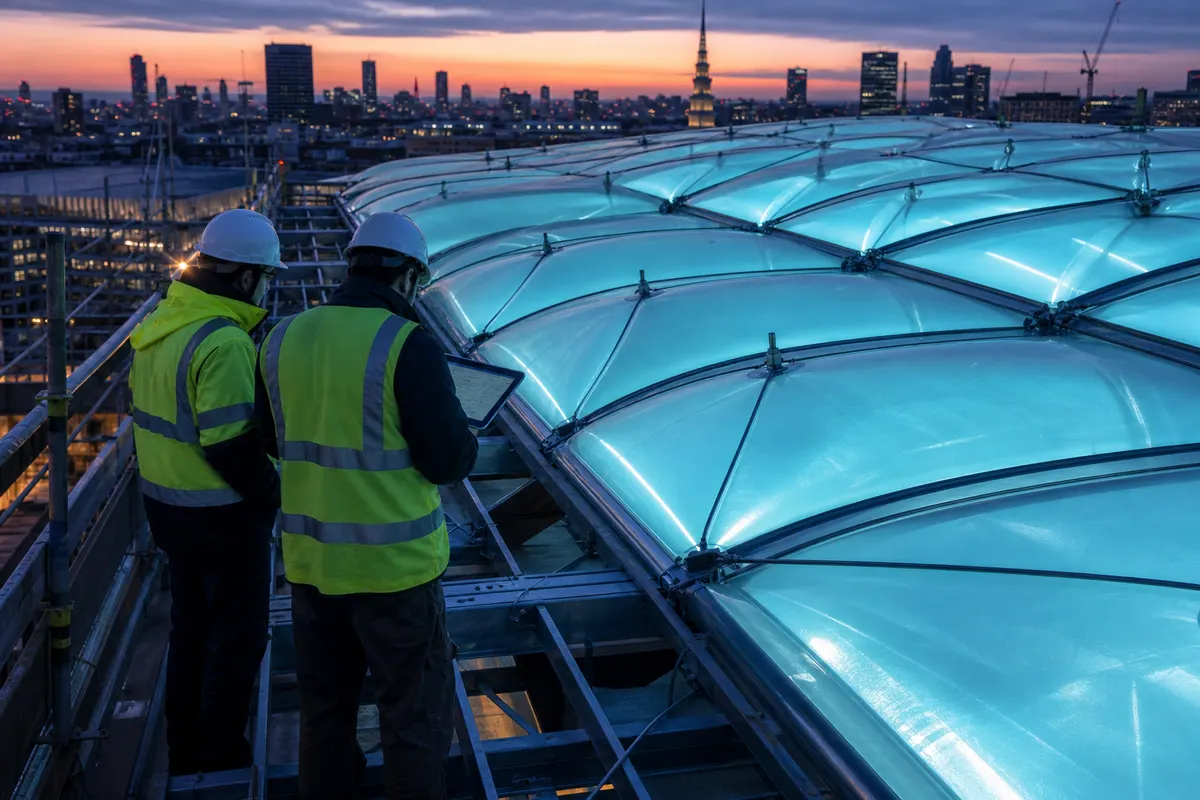
Site review of ETFE cushion installation on a steel roof grid

Case Studies

Project Highlights & Sector Guides

Typology insights — we do not invent project names or client claims.

Sustainability Daylight Efficiency

Sustainability & Innovation

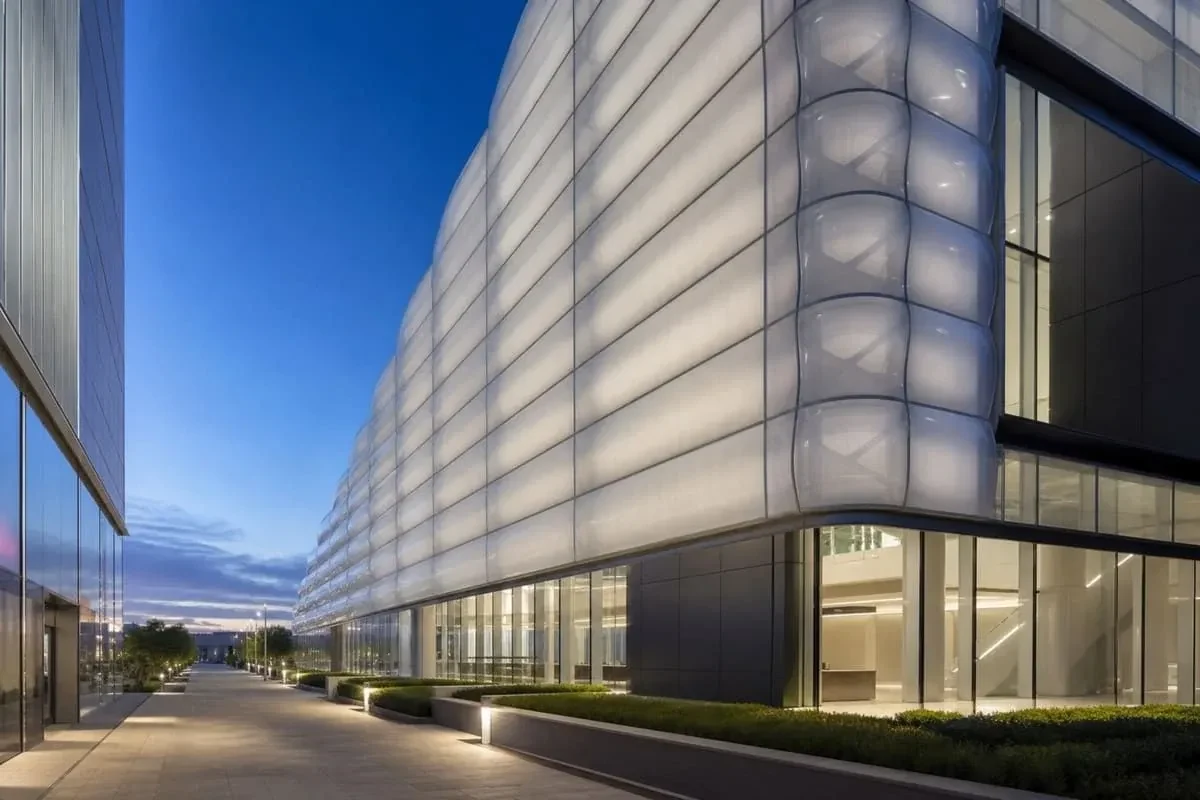
ETFE can support efficient architecture through reduced structural mass versus glass-scale roofs, high daylight that may lower daytime lighting demand, and multi-layer cushions that improve thermal performance versus single-layer foil.

Confirm goals against your project frameworks — AAKS does not invent rating-system claims. Printed frits and careful detailing remain practical tools for comfort and longevity.

About Our Approach

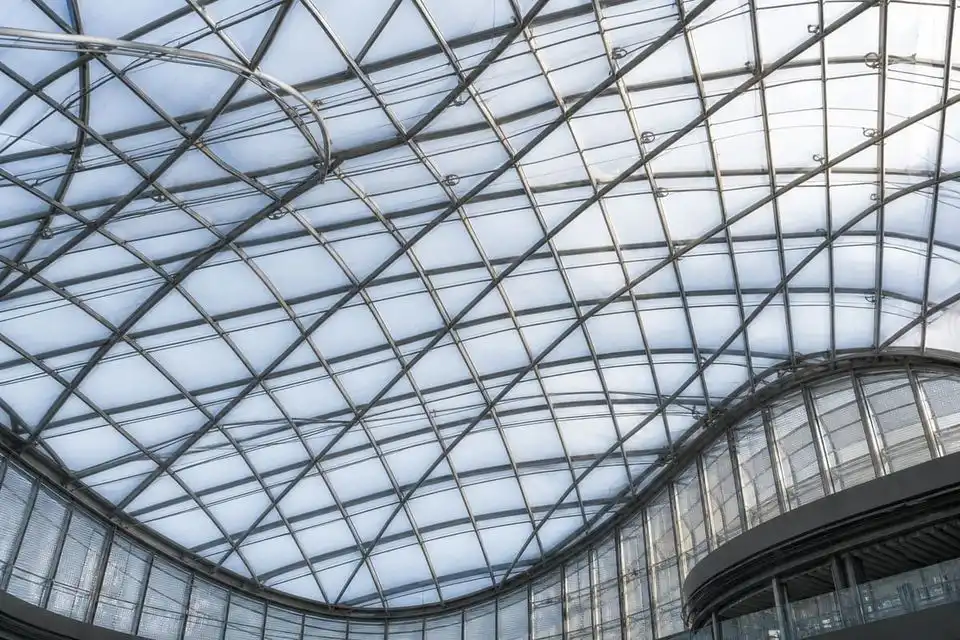
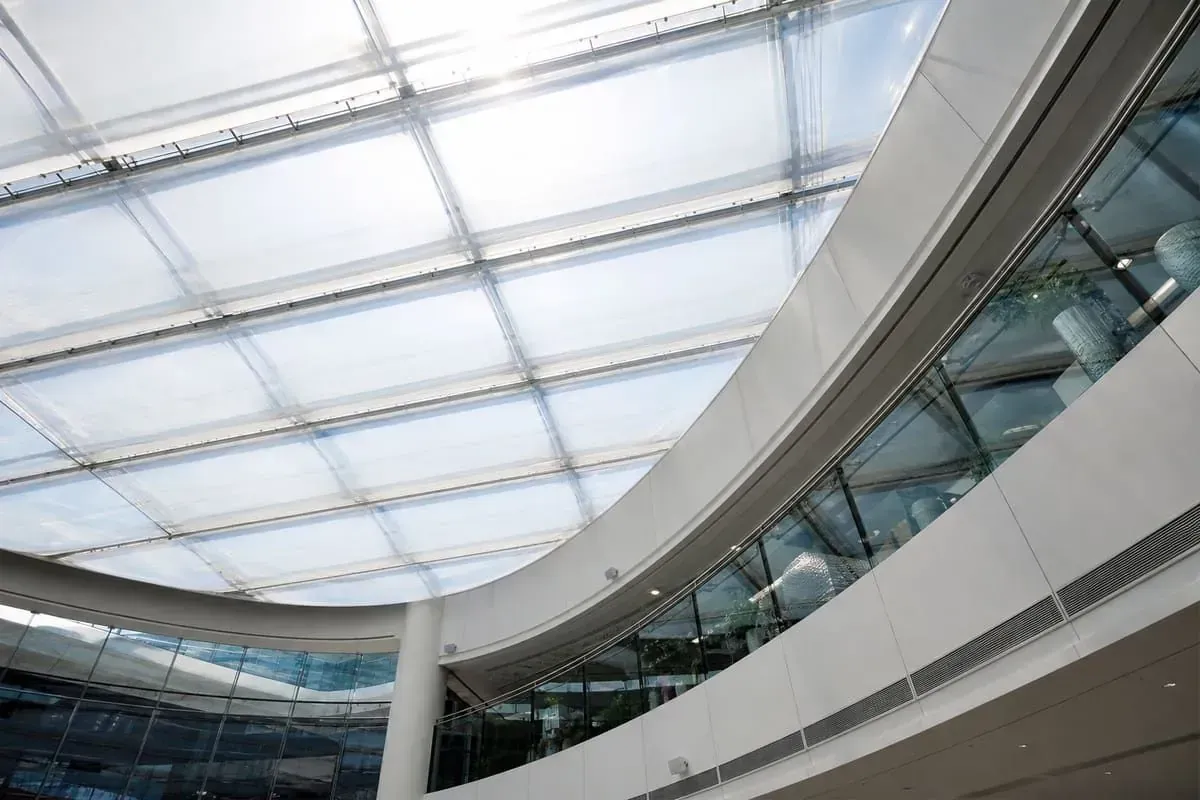
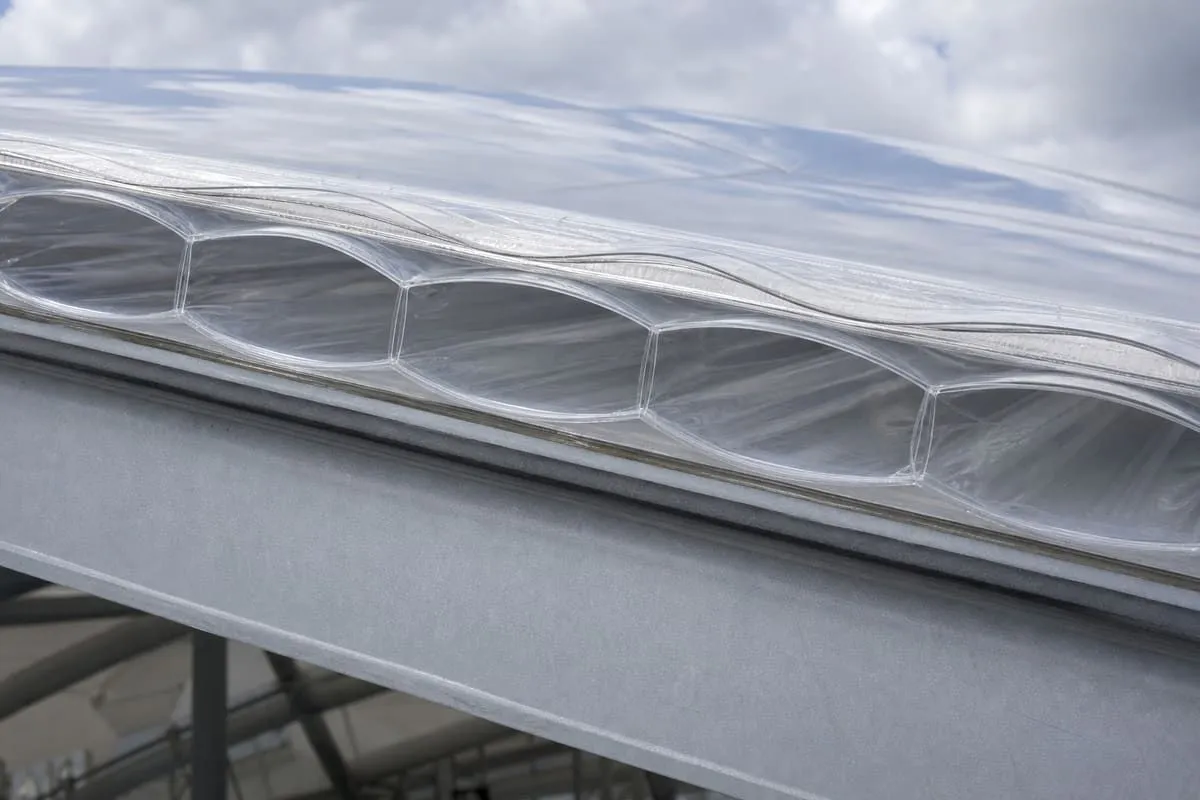
Fritted translucent ETFE cushions filtering soft daylight

FAQ

Frequently Asked Questions

Answers from AAKS FAQ knowledge — concise and non-invented.

What is ETFE?

ETFE (Ethylene Tetrafluoroethylene) is a high-performance fluoropolymer film used for lightweight, durable, highly transparent or translucent roofs, façades, skylights and canopies.

What is an ETFE air cushion roof?

A multi-layer ETFE assembly inflated with low-pressure air. The air cavities improve stiffness and thermal performance while keeping the roof extremely lightweight and luminous.

Single-layer or air cushion — which do I need?

Single-layer suits many canopies and lightweight roofs. Air cushions are preferred when insulation, larger modular roof fields, or higher envelope performance are required. AAKS advises after reviewing spans, climate and targets.

How long does ETFE last?

ETFE is known for excellent UV and weather resistance. Service life depends on design, environment, detailing and maintenance. Ask us for project-specific guidance rather than a one-size claim.

Is ETFE energy efficient?

Daylighting can reduce artificial lighting demand. Multi-layer cushions improve thermal performance versus single-layer foil. Printed/fritted films help manage solar gain.

Do you work with architects and consultants?

Yes. We collaborate with architects, structural engineers, façade consultants and project managers from concept through commissioning.

What is the typical project process?

Discover → Concept → Engineer → Fabricate → Install → Commission → Support.

How do I request a quote?

Use the Request a Quote button, email info@aaksarchitecture.com, or call +91-9810882452.

Stay Updated — or Brief Your Next ETFE Project

Subscribe via the site footer for ETFE updates, or contact AAKS for engineering support. +91-9810882452 · info@aaksarchitecture.com · New Delhi.